

The Difference Between RCS and GRS Certifications: Which is More Recognized by International Brands?
As the demand for sustainable and ethical production grows, certifications like RCS (Recycled Claim Standard) and GRS (Global Recycled Standard) have become essential benchmarks for businesses. But what are the differences between these two certifications, and which one is more reputable, especially among international brands? Let's break it down.
What is RCS Certification?
The Recycled Claim Standard (RCS) focuses primarily on verifying the presence and percentage of recycled materials in a product. This certification tracks the input material through the supply chain, ensuring transparency and validation at every step, from the recycler to the final product. RCS-certified products may carry a label that confirms the recycled content, but the certification does not address environmental or social compliance beyond the recycled content.
What is GRS Certification?
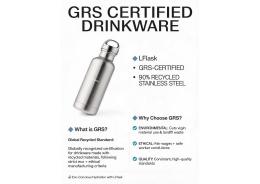
The Global Recycled Standard (GRS) builds upon the RCS but covers much more in terms of impact. In addition to verifying recycled material, GRS also includes stringent requirements in the areas of social responsibility, environmental practices, and chemical usage across the supply chain. This certification promotes sustainable production processes while also ensuring fair labor standards and minimal environmental harm.
Key Differences Between RCS and GRS
- Scope: RCS focuses solely on recycled content, while GRS encompasses a broader range of criteria, including environmental, social, and chemical compliance.
- Certifying Process: Both certifications require tracking and verification through the supply chain, but GRS has stricter guidelines for additional aspects like chemical management and worker well-being.
- Application: RCS is ideal for companies looking to validate recycled content, whereas GRS is better suited for businesses aiming for a holistic sustainability approach.
Which Certification is More Recognized by International Brands?
While both certifications are valued in the sustainability space, GRS tends to be more recognized and respected among international brands. This is due to its comprehensive guidelines, which align more closely with global sustainability goals. Brands with a strong commitment to Corporate Social Responsibility (CSR) often prefer GRS-certified suppliers because it ensures compliance not only with recycled content requirements but also with ethical and environmental standards throughout the supply chain.
Conclusion
Both RCS and GRS certifications are pivotal in driving the global push towards sustainability. Businesses must choose the certification that aligns with their operational goals and brand values. However, for companies aiming to appeal to international brands and meet stricter sustainability criteria, GRS generally holds more weight.
For more insights on sustainability certifications and how they impact global markets, visit lflask.com.



 English
 German
 French
 Russian
 Spanish
 Japanese
 Korean
 Portuguese
 Ukrainian
 Arabic
 Italian


