

The Rising Demand for Eco-Friendly Materials in Drinkware Manufacturing
As global awareness of environmental sustainability continues to grow, industries across the board are being reshaped by consumer demand for eco-friendly alternatives. The drinkware industry is no exception. With a noticeable shift towards sustainable materials, manufacturers are now answering the call for products that align with environmentally conscious values.
The Push for Sustainability in Drinkware
Consumers today are more informed than ever about the environmental impact of the products they use. Traditional drinkware materials, such as plastic, contribute to pollution and are often non-biodegradable. Consequently, there has been a surge in demand for sustainable alternatives like bamboo, stainless steel, glass, and silicone, which offer a lower ecological footprint.
Benefits of Switching to Eco-Friendly Drinkware
Eco-friendly drinkware isn't just good for the planet; it also offers a variety of benefits for manufacturers and consumers alike:
- Durability: Materials like stainless steel and glass are highly durable and reusable, reducing waste over time.
- Health Concerns: Sustainable materials are generally free of harmful chemicals like BPA, making them safer for everyday use.
- Brand Appeal: Offering eco-friendly drinkware helps brands align with customer values, creating stronger brand loyalty.
Trends Driving the Demand
Several key trends have contributed to the rising demand for sustainable drinkware:
- Zero-Waste Initiatives: Consumers are adopting lifestyles aimed at reducing waste, prompting them to seek reusable and sustainable options.
- Corporate Responsibility: Many brands are leveraging eco-friendly drinkware as part of their corporate responsibility strategies.
- Government Policies: Regulations aimed at reducing single-use plastics have accelerated the need for alternative options.
L.F. Flask: A Leader in Sustainable Drinkware
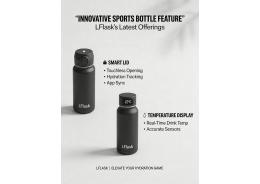
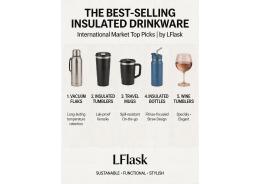
Brands such as L.F. Flask have positioned themselves as pioneers in the field of sustainable drinkware. By blending innovative designs with eco-conscious materials, they cater to the needs of environmentally aware consumers while maintaining high functionality and style.
Conclusion
The growing demand for eco-friendly materials in drinkware manufacturing represents an exciting opportunity for brands to innovate and lead the change toward sustainability. Companies like L.F. Flask exemplify this shift, showing that it is possible to create products that are both stylish and environmentally friendly. As more consumers embrace the movement, the drinkware industry is set to play a significant role in promoting a greener future.



 English
 German
 French
 Russian
 Spanish
 Japanese
 Korean
 Portuguese
 Ukrainian
 Arabic
 Italian


